Design Tips
Quiet Technology: How to Conceal Smart Home Appliances for Visual Purity
"Quiet Technology" is a design philosophy that integrates technological functions into everyday life without allowing the devices to dominate the space.
For homeowners who prioritize aesthetics and order, true luxury in Smart home integration isnt about making appliances stand out; rather, it is about letting technology naturally fade into the background. By pairing quiet household appliances with sleek storage solutions, you can create a clean, pure, and highly efficient daily environment.
1. "Embed" Rather Than "Display" Your Devices
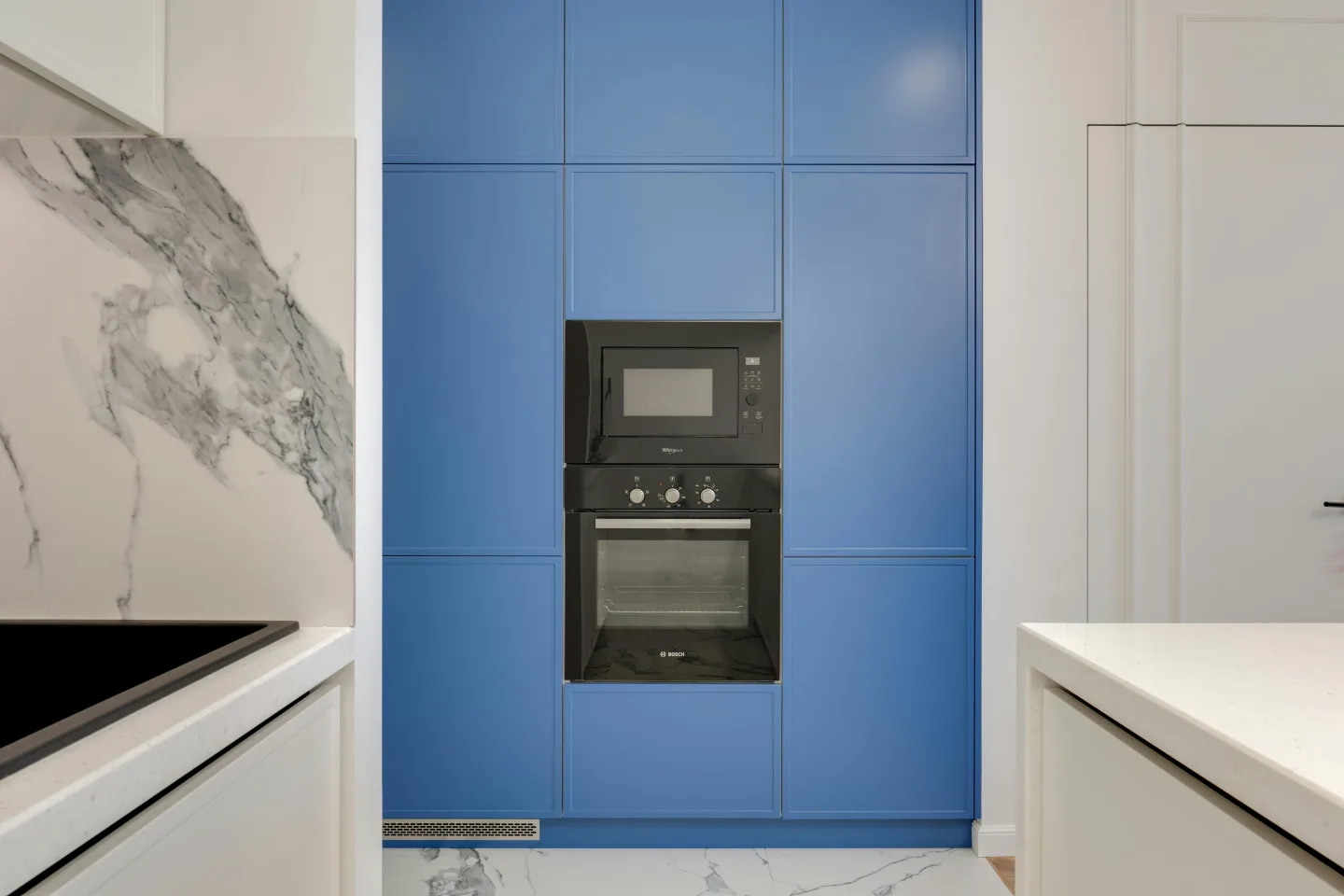
To achieve visual purity, the first step is minimizing the presence of appliances. Whether it involves a built-in refrigerator, a concealed range hood, or a dishwasher seamlessly integrated into the cabinetry, these choices maintain a consistent, uninterrupted visual line across the kitchen and living areas, resulting in a much sleeker and tidier appearance.

2. Prioritize Low-Noise Quiet Appliances
Quiet technology is not only about visual aesthetics but also the auditory experience. When selecting fans, washing machines, dehumidifiers, dishwashers, or residential lifts, you should prioritize quiet household appliances with low-noise designs. This prevents the hum of operating machinery from disrupting the relaxing atmosphere of your space. When background noise is minimized, the home more easily exudes a genuine sense of tranquility and luxury.

3. Conceal Smart Control Systems Within Cabinetry and Walls
When outfitting a smart home, spaces often appear cluttered due to exposed control panels, routers, speakers, and charging docks. A more sophisticated approach to Smart home integration involves concealing these control devices within bespoke wooden cabinetry, wall storage, or hidden drawers. By leaving only the essential operational interfaces visible, technology serves your lifestyle without dominating the visual landscape.

4. Soften the "Tech" Vibe Through Materials and Colors
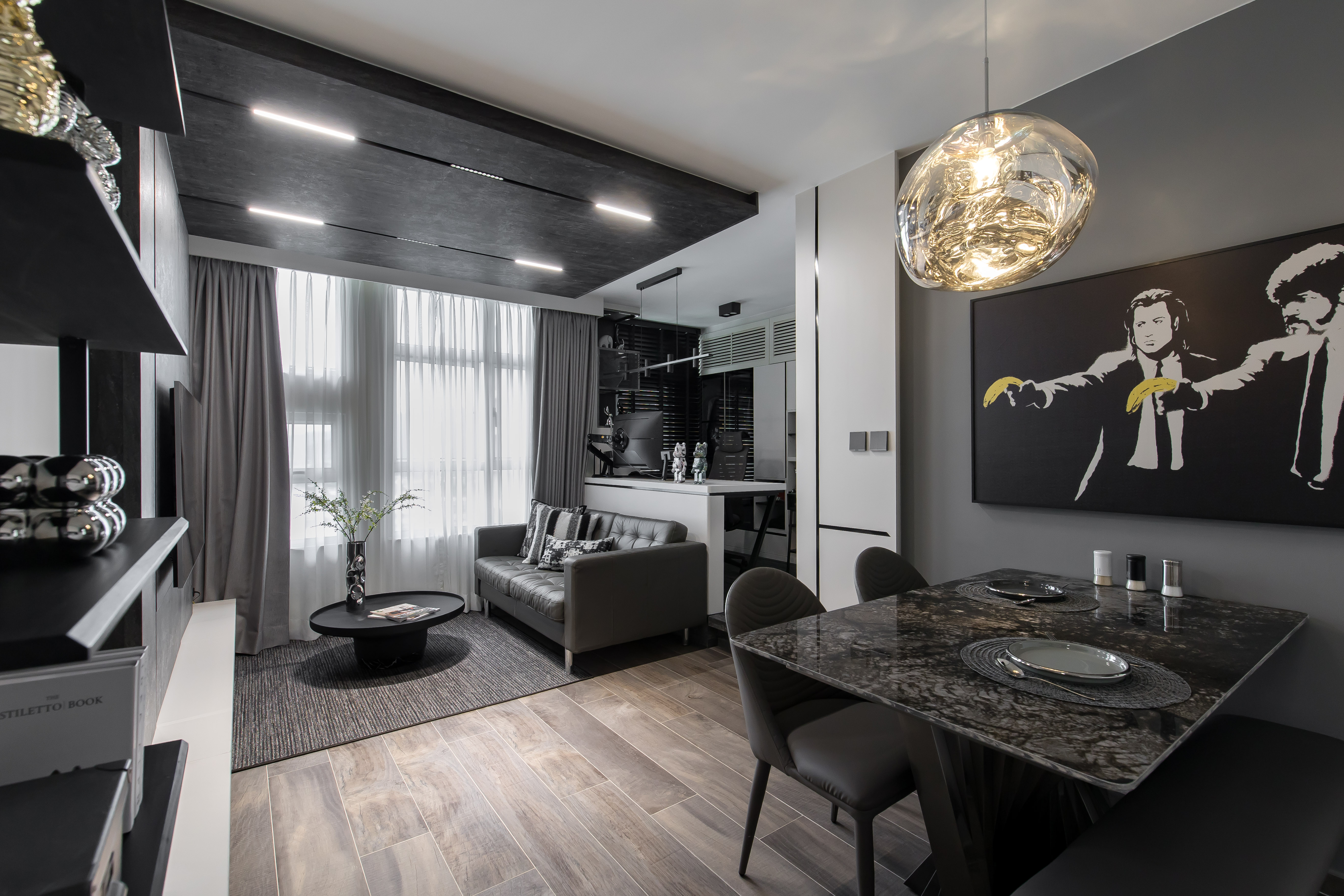
If your home already features numerous smart devices, you can mitigate their starkness through a careful selection of materials and colors. Opt for finishes like matte white, warm gray, beige, or wood grain panels. Pairing these with natural wood, stone, textured fabrics, and indirect lighting allows cold tech products to blend naturally into your overall interior style. Rather than emphasizing a futuristic look, the design trend for 2026 leans heavily towards a soft, understated technological aesthetic that seamlessly complements the rhythm of everyday life.

5. Adopt "Less is More" as Your Smart Home Principle
The core of Quiet Technology is not about installing as many gadgets as possible, but rather retaining functions that genuinely elevate your quality of life. Instead of cluttering your home with gimmicky devices, focus on high-frequency systems such as lighting, climate control, automated blackout curtains, audio, and security. Combined with quiet household appliances and concealed designs, your home remains highly intelligent without the visual clutter.

When technology no longer steals the show, your living space can return to its true essence—a harmonious blend of comfort, serenity, and aesthetics. If you are currently planning a new home or a renovation, consider rethinking your Smart home integration through the lens of Quiet Technology, ensuring your smart devices are "unseen, yet entirely indispensable."
Get your free quotation:bit.ly/3Iym3wN Photos: Pexels