People
Meet Shigeru Ban, Japanese Pritzker Laureate for the Many, Not Just the Privileged
"Im quite disappointed about my profession as an architect, because we are mainly working for privileged people who have power and money." — Shigeru Ban
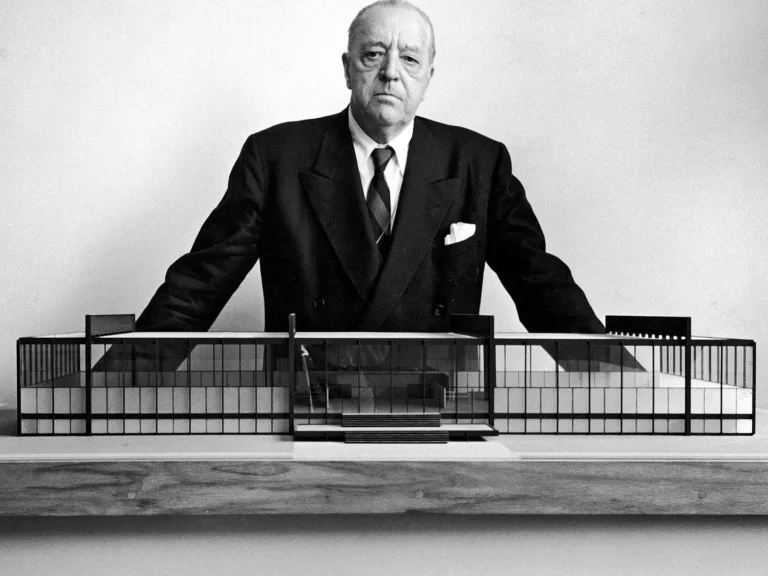
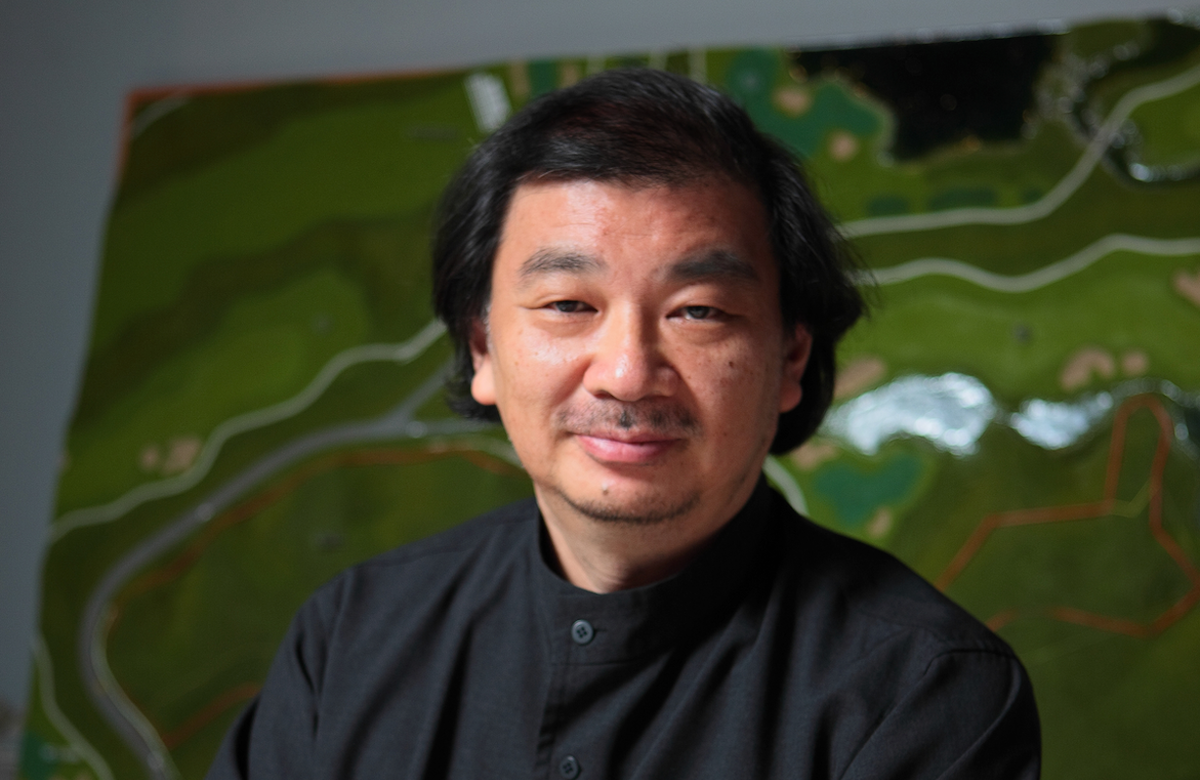
In the architectural world, Shigeru Ban occupies a singular place. Born in Tokyo on 5 August 1957, he is not only the 2014 Pritzker Architecture Prize laureate, but also a practitioner who has spent decades working on humanitarian relief and post‑disaster reconstruction. In interviews, he has been strikingly candid about his unease with the profession: historically, architects have worked almost exclusively for patrons with means and status, producing buildings that crystallise wealth and authority rather than addressing the needs of ordinary people.
 Photo credit: The Japan Art Association/The Sankei Shimbun
That discomfort has shaped the way he structures his practice. On one hand, he continues to design museums, cultural institutions and commercial projects for public bodies and private clients. On the other, through the Voluntary Architects’ Network (VAN) and collaborations with NGOs, he deliberately redirects his skills towards those in crisis, travelling to earthquake zones, refugee camps and flooded towns to create quick‑to‑build, low‑cost yet dignified shelters and community buildings. In short, he has taken a profession that too often serves the few, and used it to serve the many.
Ban grew up in a household steeped in design: his father worked for Toyota and his mother was a haute couture fashion designer. After studying architecture in Japan, he moved to New York to attend The Cooper Union, worked briefly for Arata Isozaki, and in 1985 founded Shigeru Ban Architects in Tokyo, later opening offices in Paris and New York. This cross‑cultural trajectory left a clear imprint on his work, blending Japanese restraint and craft with Western formal experimentation. More importantly, it fostered a way of thinking about architecture that is less about image and more about use, context and the lives of those who inhabit his buildings.
 Photo courtesy of Japan House São Paulo | Thiago Minoru
He is best known for his pioneering work with paper and recycled cardboard tubes, which he began experimenting with in the 1980s. These humble elements, normally associated with packaging, became columns, beams, walls and even vaults. For Ban, they are not merely technical curiosities but carriers of a clear stance: architecture need not be expensive or permanent to be meaningful; what matters is whether a building can restore a sense of dignity and stability in moments of need. From the Paper Log House in Kobe and later versions in India and Turkey, to paper‑tube shelters in Rwanda, he has used these low‑tech, recyclable structures to create spaces that house both body and spirit. After the Christchurch earthquake in New Zealand, his Cardboard Cathedral offered not only a temporary church, but a powerful symbol of collective resilience, built from paper tubes, timber and translucent panels.
 Photo courtesy of Shigeru Ban Architects
It is in disaster zones that Ban’s ideas are most sharply articulated. As a consultant to the UNHCR in the mid‑1990s, he proposed paper‑tube shelters for Rwandan refugees, challenging the assumption that emergency housing must be cheap, uncomfortable and visually indifferent. His temporary structures aim to provide privacy, decent light and ventilation, and a basic sense of order in chaotic situations. He has repeatedly argued that even the most short‑lived buildings should offer minimum habitability and respect for their occupants, and that architecture has a social responsibility that cannot be met by monuments alone.
 Photo courtesy of Centre Pompidou-Metz
Outside the context of disaster relief, Ban’s cultural and residential works extend the same thinking into more stable settings. The Centre Pompidou‑Metz in France, with its sweeping timber lattice roof, creates a generous, porous public space beneath a form that is both sculptural and inviting. The Aspen Art Museum in Colorado wraps its galleries in a woven timber façade, filtering daylight into the interior like a soft fabric and turning the envelope into an active participant in the experience of art. Houses such as Curtain Wall House and Naked House overturn conventional ideas of wall and façade: a full‑height curtain becomes an operable skin between domestic life and the city, while a near‑blank, translucent shell invites residents to define their own internal layout over time. Across these projects, the constants are clear structure, honest materials and high spatial flexibility — architecture as framework rather than fixed backdrop.
 Photo courtesy of Shigeru Ban Architects
For anyone interested in how we live, Ban’s work offers lessons that translate directly into everyday domestic design. His insistence on material honesty suggests that exposed structure, timber and raw finishes can contribute to a sense of warmth and character without ornate decoration. His attention to openness and closure encourages us to treat curtains, screens and sliding doors as tools for modulating privacy, light and airflow, rather than mere accessories. Above all, his humanitarian projects remind us that design has a psychological dimension: even temporary homes can and should support rest, safety and emotional recovery, and this concern with comfort and dignity is as relevant to a small flat as to a refugee shelter.
In a luxury housing market often fixated on finishes, brands and spectacle, Ban’s architecture quietly reframes “luxury” as understanding and care — for users, for communities, and for limited resources. In dense, highly commodified cities such as Hong Kong, revisiting his work becomes a way to rethink what “home” might be: a flexible sanctuary within constraints, a space of dignity irrespective of budget, and, in uncertain times, a genuine refuge.