Journal
Inside Mandarin Oriental Lutetia, The Paris Hotel Behind The White Lotus Season 4
HBO’s hit series The White Lotus has confirmed that its fourth season will move to France, with Mandarin Oriental Lutetia, Paris emerging as one of the key locations to watch.
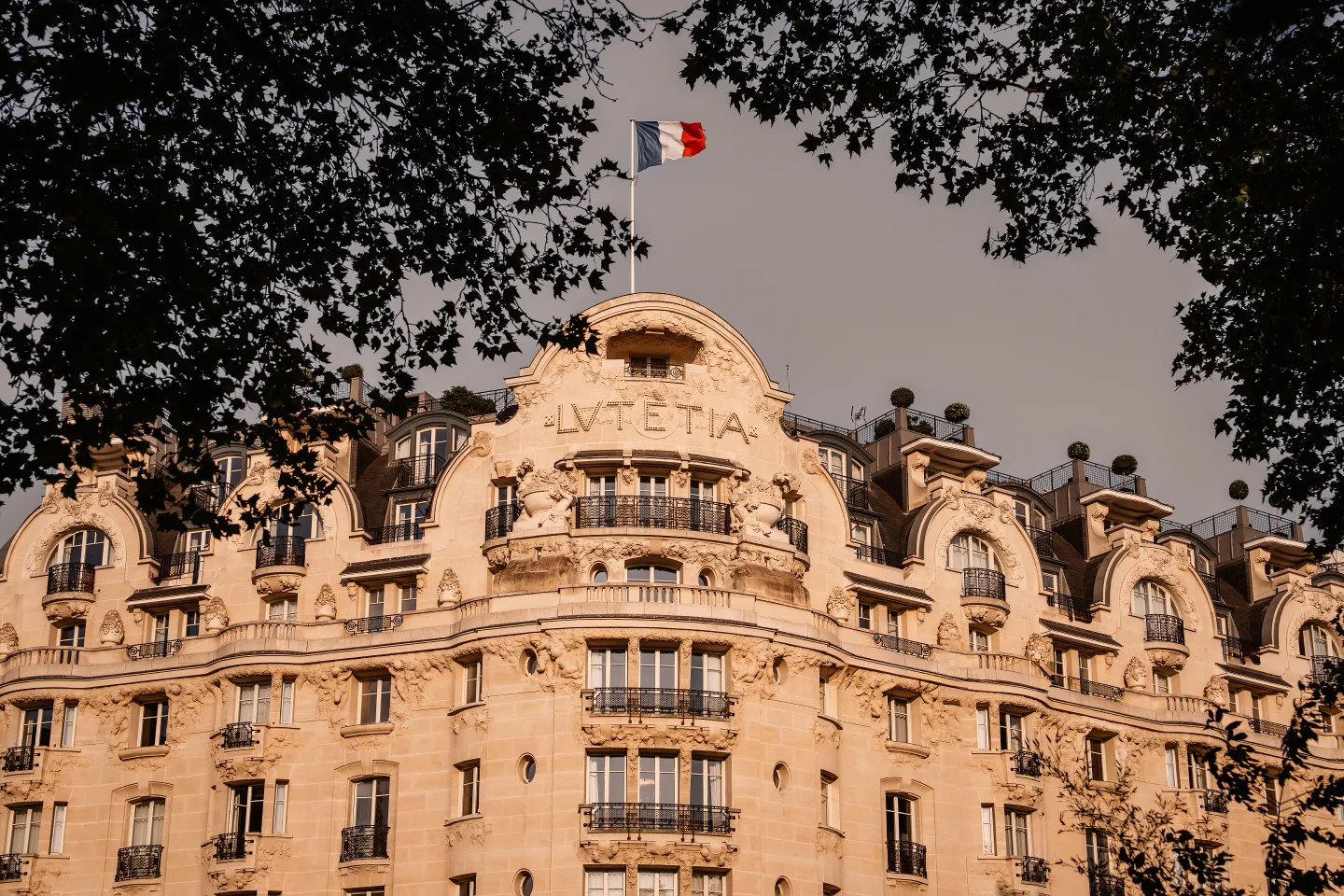
Set on the Left Bank, the landmark is the area’s only Palace-rated hotel and has long occupied a central place in Parisian cultural and social life. It was originally built during the Belle Époque, a period in France spanning the late 19th century to the years before the First World War, when Paris flourished in art, architecture and urban culture; buildings from the era are often associated with ornament, graceful proportions and a sense of confidence. Following a renovation led by architect Jean‑Michel Wilmotte, the hotel still retains the elegance and sculptural detailing of its Belle Époque exterior, while the interiors introduce a more pared-back contemporary language, creating the contrast that makes the property particularly compelling on screen.

Arrival at the hotel is carefully staged. Guests move from a more compressed entrance lobby into a glass‑roofed central courtyard, where the space opens up and natural light becomes the main protagonist. Daylight falls across marble flooring and soft grey walls, while brass fixtures and metal trims pick up the glow, complemented by greenery and upholstered pieces that keep the atmosphere bright but not austere. This progression from narrow to expansive is more than a circulation move; it naturally sets up the kind of entrances, near‑misses and quietly charged encounters that The White Lotus often builds its scenes around.

If the courtyard anchors the hotel’s daytime life, Bar Joséphine is its evening focal point. The room combines a generous ceiling height with a sweeping curved bar and rounded corners, while murals and detailing subtly reference the Art Deco period. Deep timber tones, greens and wine‑reds, layered with metal accents and sculpted seating, strike a balance between intimacy and formality. It is the sort of space that can host discreet conversations or more volatile exchanges with equal conviction, making it a likely recurring backdrop in the new season.

By contrast, street‑facing La Brasserie Lutetia reads as lighter and more casual. Large windows and terrace seating draw the Left Bank streetscape into the interior, with abundant natural light during the day and a more relaxed rhythm that connects the hotel directly to the city outside. It is easy to imagine the brasserie capturing everyday Parisian moments—morning coffees, informal meetings, passing conversations—before shifting in the evening to a softer, more focused dining atmosphere, well suited to dialogue‑driven scenes. Nearby, Salon Saint‑Germain offers a different register again: a more intimate, salon‑like setting defined by loosely arranged sofas, low tables and a mix of art and books, with warm textiles and lighting creating a space that sits between private living room and gallery, ideal for quieter exchanges and more introspective passages in the narrative.

For a distinctly nocturnal mood, Bar Aristide introduces a denser, more inward‑looking atmosphere. Darker tones, stronger contrasts and closer‑set seating bring guests physically and visually closer together, evoking something of a speakeasy character. Layered with music, conversation and the clink of glassware, it lends itself naturally to more confidential, emotionally charged or confrontational scenes, and provides a deliberate counterpoint to the openness of the courtyard and brasserie.

Away from the public areas, the hotel’s 184 rooms and 49 suites present a more restrained expression of its design language. A palette of soft neutrals, grey‑blues and pale timber is paired with bespoke furniture, understated textiles and leather detailing to create a calm, residential atmosphere rather than overt opulence. Layered lighting allows each room to shift in tone—from restful retreat to more enclosed, tense setting—according to how it is used on screen. In selected suites, terraces and balconies frame Left Bank streets and rooftop lines, giving characters semi‑private vantage points from which the city becomes an extension of their emotional landscape.
Situated within a Left Bank neighbourhood long associated with cafés, bookshops and galleries, Mandarin Oriental Lutetia is firmly embedded in Paris’s cultural fabric. For The White Lotus, the choice signals a move away from purely resort‑based escapism towards a more urban, context‑driven setting, where architecture, interior design and city life are closely intertwined. Rather than serving as a neutral backdrop, the hotel is poised to act as an active narrative device, shaping the atmosphere and pace of the new season scene by scene.
Photo courtesy of Mandarin Oriental Lutetia