Designers
Epic Interior Design on What Makes a Dream Team
Kevin Kung and Steven Sze talk about their amazing chemistry that saw Epic Interior Design win this year’s Emerging Designer of the Year award.
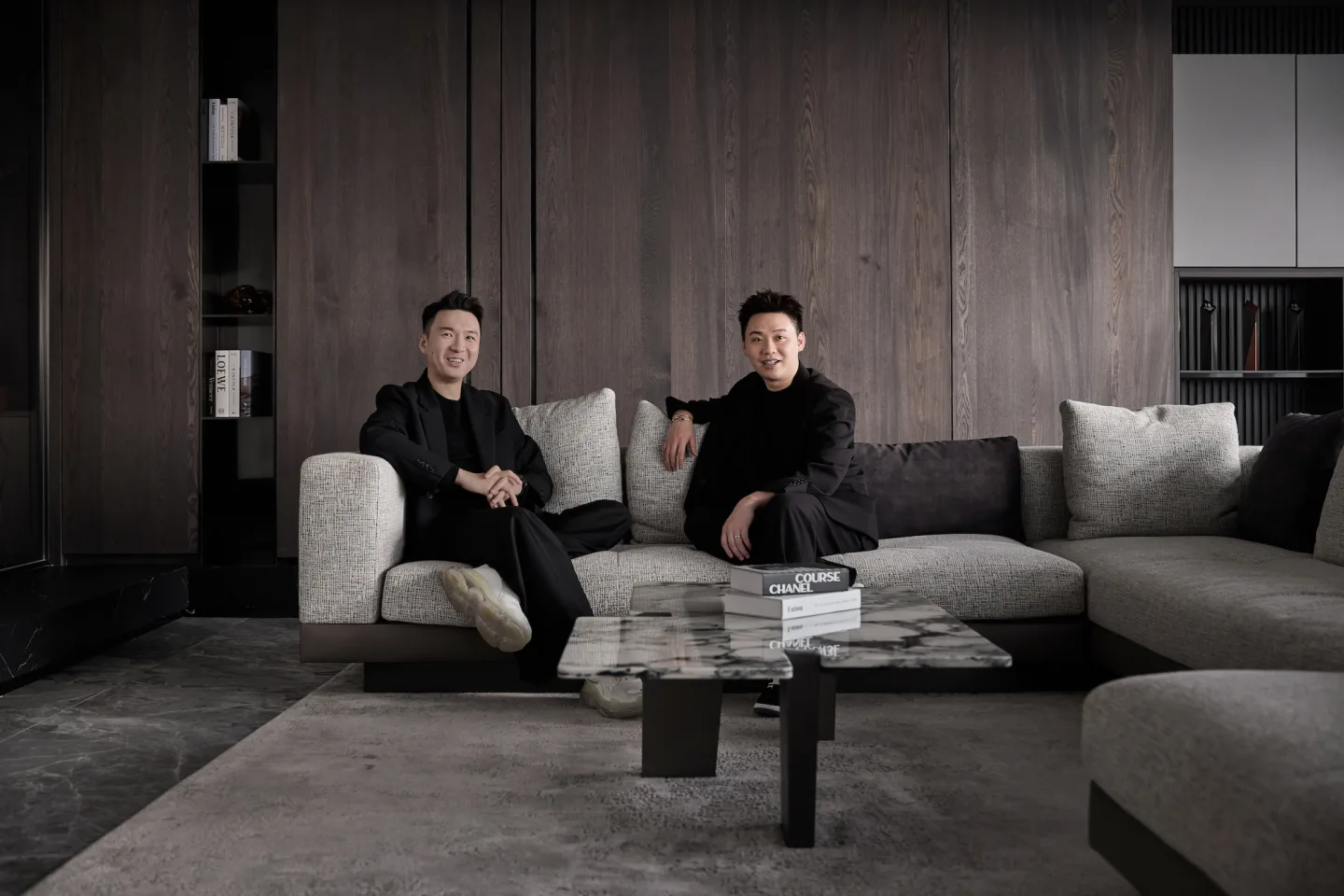
They say two heads are better than one, but in business, finding the right partner can be even harder than finding your soulmate. The best associations happen when partners complement each other’s strengths while building rock-solid trust. When this occurs, both the individuals and the company can thrive. Hong Kong-based studio Epic Interior Design just snatched the coveted “Emerging Designer of the Year” title at the Home Journal Awards 2025. The six-year-old firm is making serious waves. Its success story comes down to designers Kevin Kung (pictured left) and Steven Sze, who have this amazing chemistry, which is needed to start and sustain a meaningful business. The kicker is they didn’t meet in the design world. They became friends on a basketball court more than a decade ago. After playing ball together for about six years, they made the jump from teammates to business partners. That court chemistry has translated perfectly into the workplace, and now they’ve built something pretty special together. We caught up with them after their win to talk about teamwork, inspiration, and the newest design trends. How did Epic Interior Design actually start?
Steven: Basketball brought us together. It was actually three of us – me, Kevin, and Joe. We’d play regularly and realised we just clicked. Sure, we’re different in some ways, but we all had the same drive to really excel at whatever we do.
Kevin: Going from basketball friends to business partners gave us this deep understanding of each other. We could see everyone’s genuine passion for design. When we decided to go pro, we wanted to bring that same energy and determination to building something great.
Do you two still hit the court together?
Kevin: (Laughs) Not anymore – we barely have time to breathe, let alone exercise. I’m so out of shape now that just walking upstairs for meetings leaves me winded. I literally have to stop at the door and catch my breath before walking into the conference room.
Why “Epic”?
Steven: We wanted something simple and memorable, nothing too fancy. But “Epic” also captures what we’re about – pushing things to the absolute limit, and creating something extraordinary. That’s our whole philosophy right there.
How do you split the work?
Steven: I handle most of the marketing side while still being hands-on with design. Kevin takes the lead on project management, though I chip in where needed. We’ve got about 20 people now, and we wrapped up close to 80 projects last year.
 What’s a typical day like for you?
Steven: Coffee is non-negotiable – I need it to function. Our days are insane though, easily 12-plus hours. Way longer than an average office job.
Kevin: I’m pretty direct when I communicate with the team, but I’m obsessed with organisation in my personal life. Every pair of shoes has its place, every piece of clothing is perfectly arranged. No matter how many times I’ve moved, I always create this immaculate closet space – suits here, shirts there, T-shirts sorted by colour. It might sound crazy, but this attention to detail in my own life helps me give clients better and more thoughtful design advice.
Any daily rituals you can’t skip?
Kevin: I’m all about taking care of myself. A haircut every couple of weeks, cologne every day, and always co-ordinating accessories. It’s about self-respect. Looking sloppy feels disrespectful to myself and to everyone I work with.
I’ve got this daily routine where I review everything – what happened yesterday, which calls I need to return, and what’s still on my plate. I write it all down. People probably think I’m a bit OCD, but without this system, my brain goes haywire. I don’t mind having 50 or even 100 things to do, but I need to know exactly what they are. Clarity gives you direction.
Where do you find inspiration?
Steven: Hong Kong is my biggest source. But travel really recharges me – I probably take six or seven trips a year. You can’t force inspiration; it just happens when you’re relaxed and open.
Any recent trips that stuck with you?
Steven: Bangkok was incredible. I checked out the Dusit Thani hotel that André Fu designed. The design is so clean and understated, but there’s something special about it. Nothing flashy, just this perfect vacation vibe that makes you feel completely at ease.

What’s your take on current design trends? Steven: The whole game has changed. People used to think marble everywhere meant luxury, but now it’s about the relationship between people and their space. True elegance isn’t about being flashy – it’s about natural functionality. These days we’re designing meditation corners, dedicated work areas, and pet-friendly features if needed. Design has to work with how people actually live.
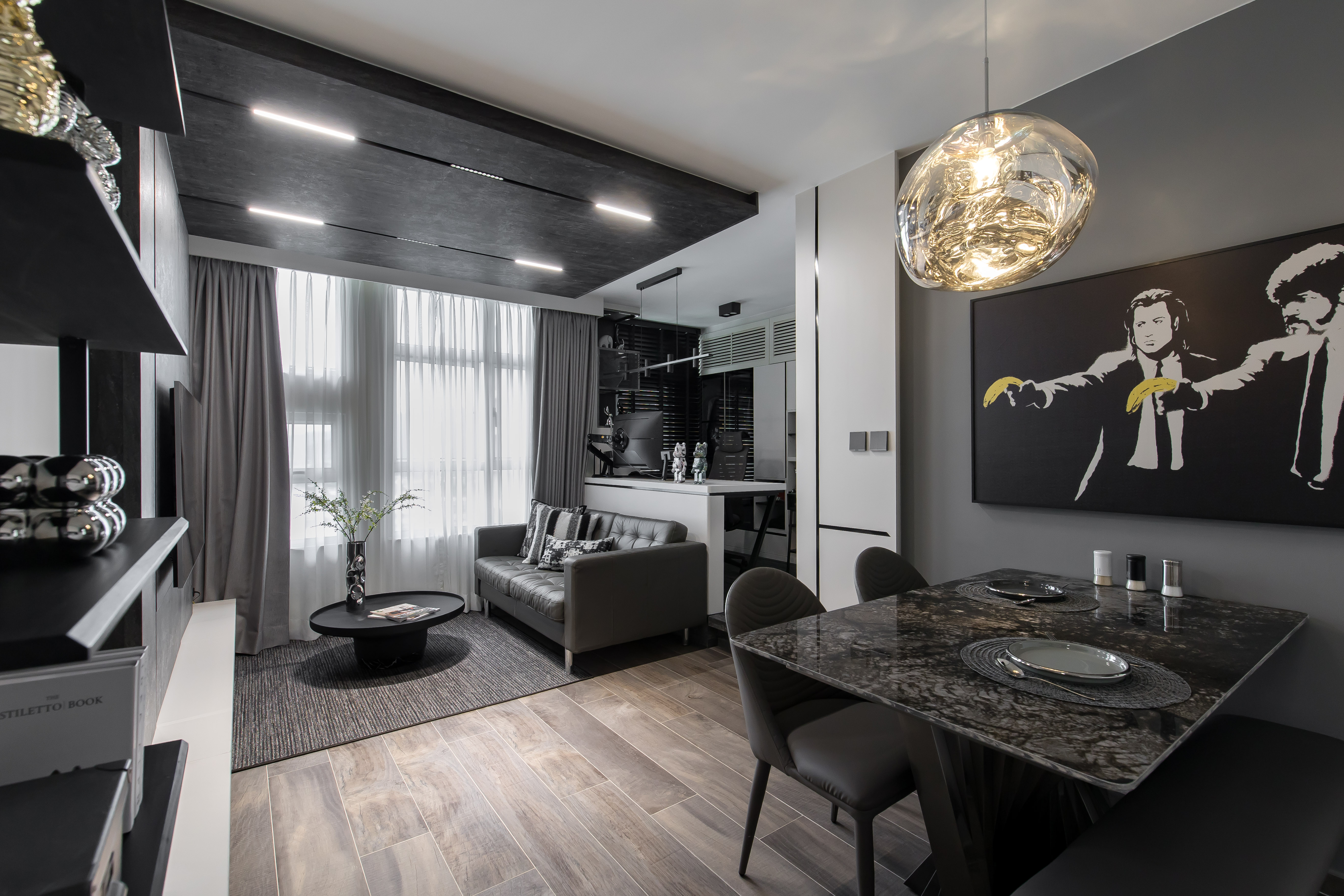
It sounds like design has become more personal. Steven: Absolutely. It used to be all about how things looked. Now it’s about how they feel and function in real life. Design isn’t just aesthetics anymore – it’s about weaving functionality into people’s daily routines. How do you define luxury? Steven: Less is definitely more. True luxury isn’t about cramming in as much expensive stuff as possible. When a space has only the essential elements and nothing extraneous, that’s the highest level of sophistication. Three words for your design style? Steven: Simple, timeless, minimal. The cleaner the design, the better it ages. Sometimes having nothing is actually having everything. Does one of your winning projects – Villa Lucca – reflect this approach? Steven: Definitely. We kept it super clean with just subtle marble touches. The balcony opens up to greenery, bringing that natural element inside. How do you push through creative ruts?
Steven: Honestly, I don’t think creative blocks are real – they’re usually just mental barriers we create. When I have time, I explore new things, learn different approaches. Each project should push a little further than the last one.
What’s your favourite project?
Steven: Our own office. It’s stripped down to almost nothing – we literally asked ourselves: “Can we take away one more thing?” My favourite spot is the lounge area where I can work and think at the same time.
 What would you do if you weren’t an interior designer?
Steven: Probably real estate. Design is demanding – juggling creativity with client needs – but when you see that moment of pure satisfaction on a client’s face, it makes everything worth it.
What makes you two work so well together?
Kevin: Steven’s incredibly easy-going, which I really value. Sure, sometimes our design communication gets messy, and he might take a day to get back to people, so I end up being the go-between.
But our biggest strength is just being comfortable running this company together. We can disagree, even argue about timelines or technical stuff, but we always work it out. The key is we’ve never fought about money. Nobody’s keeping score of who earned what or spent what. Money just isn’t what drives us. Without really knowing someone, it’s impossible to tell if you’ll mesh as business partners. Friendship is one thing, but a business partnership is totally different. Steven doesn’t sweat the small stuff, and neither do I. We’re both focused on making each project as good as it can possibly be.