Journal
6 Untranslatable Words We Didn’t Know We Needed
We have plenty of words in English to describe the way a room looks. We can call a space "modern," "rustic," "industrial," or "chic." But when it comes to describing how a space feels, the invisible energy of a hallway, the emotional weight of a high ceiling, or the specific coziness of a corner, our vocabulary often falls short.
Other cultures, however, have been refining these vocabularies for centuries. They have specific words for the "poetics of construction" that English simply forgot to invent. If you are looking to deepen your design philosophy beyond just picking out paint swatches, here are six "untranslatable" terms that capture the soul of architecture and interior design.
Ma (間) – Japanese
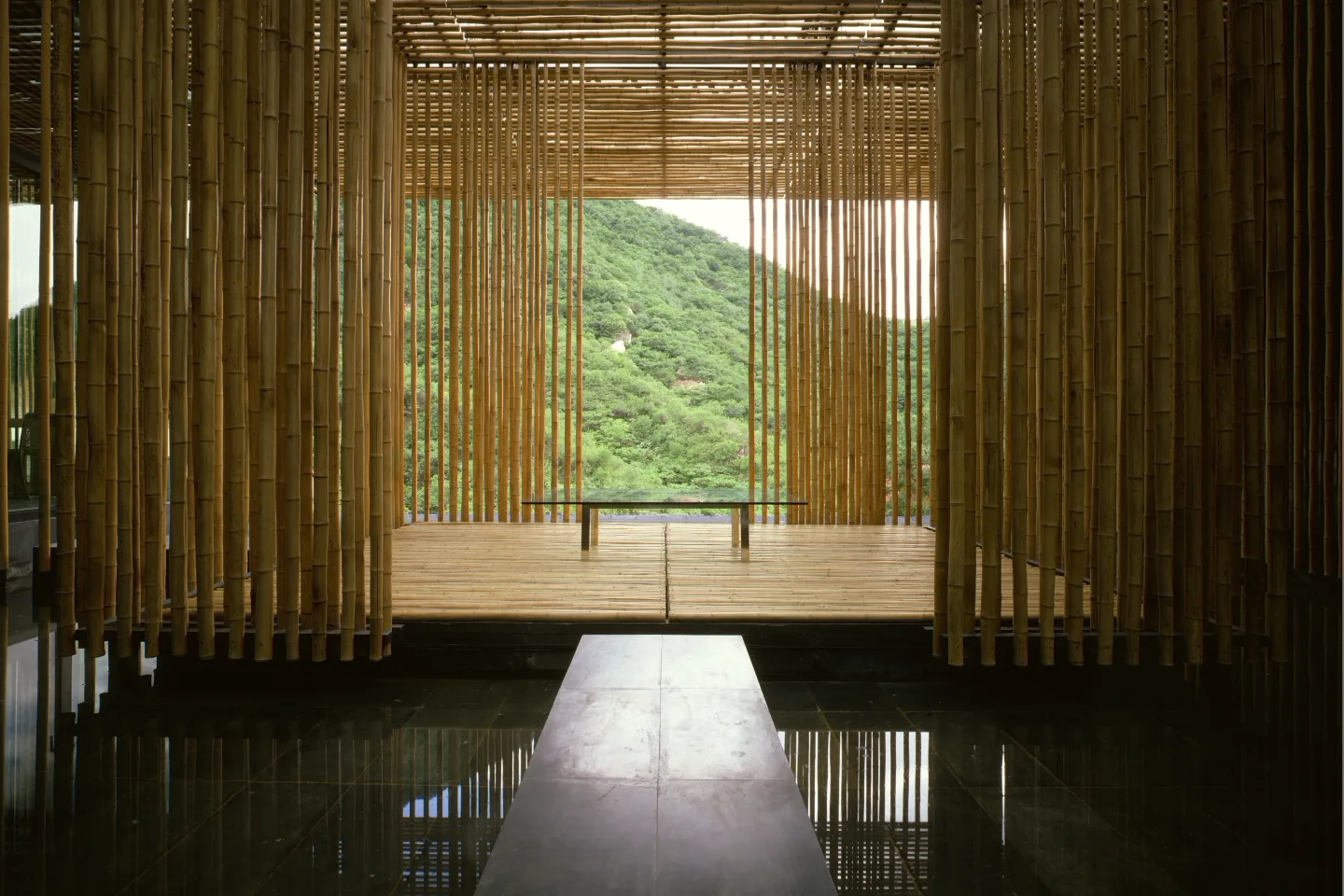
If you’ve ever walked into a minimalist room and felt a sudden sense of calm, you were experiencing Ma.
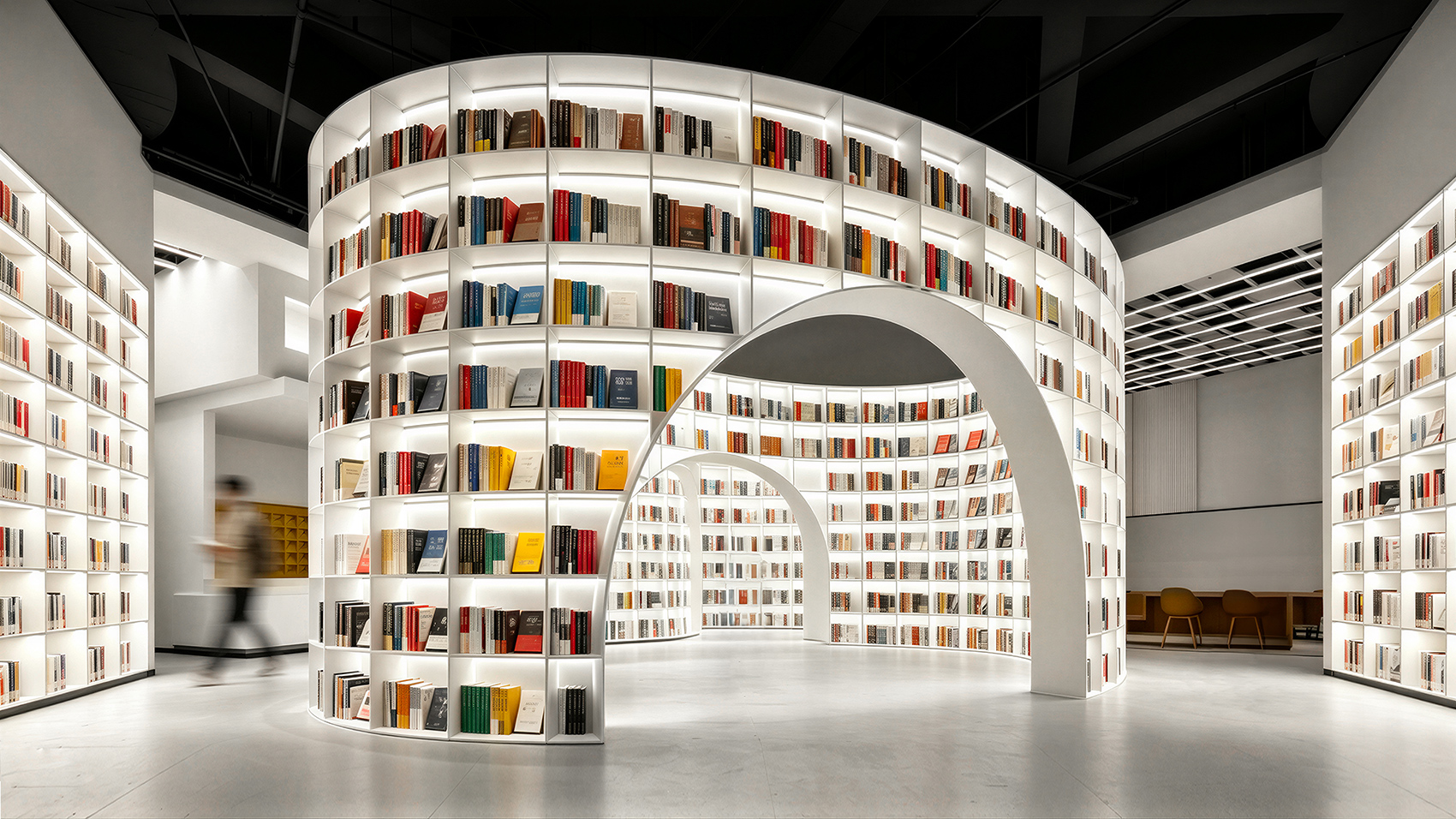
We tend to translate this lazily as "negative space," but that implies something is missing. In Japan, Ma isnt empty; it is full of meaning. It is the "pause" between notes in music that makes the melody beautiful. In your home, Ma is the understanding that the blank wall is just as important as the art you hang on it. It suggests that the space between structural elements – the void – is actually where life happens. It’s a reminder to stop cluttering every corner and let your home breathe.
Iki (粋) – Japanese
Have you ever seen a loft that looks incredibly sophisticated but totally effortless? That is Iki.
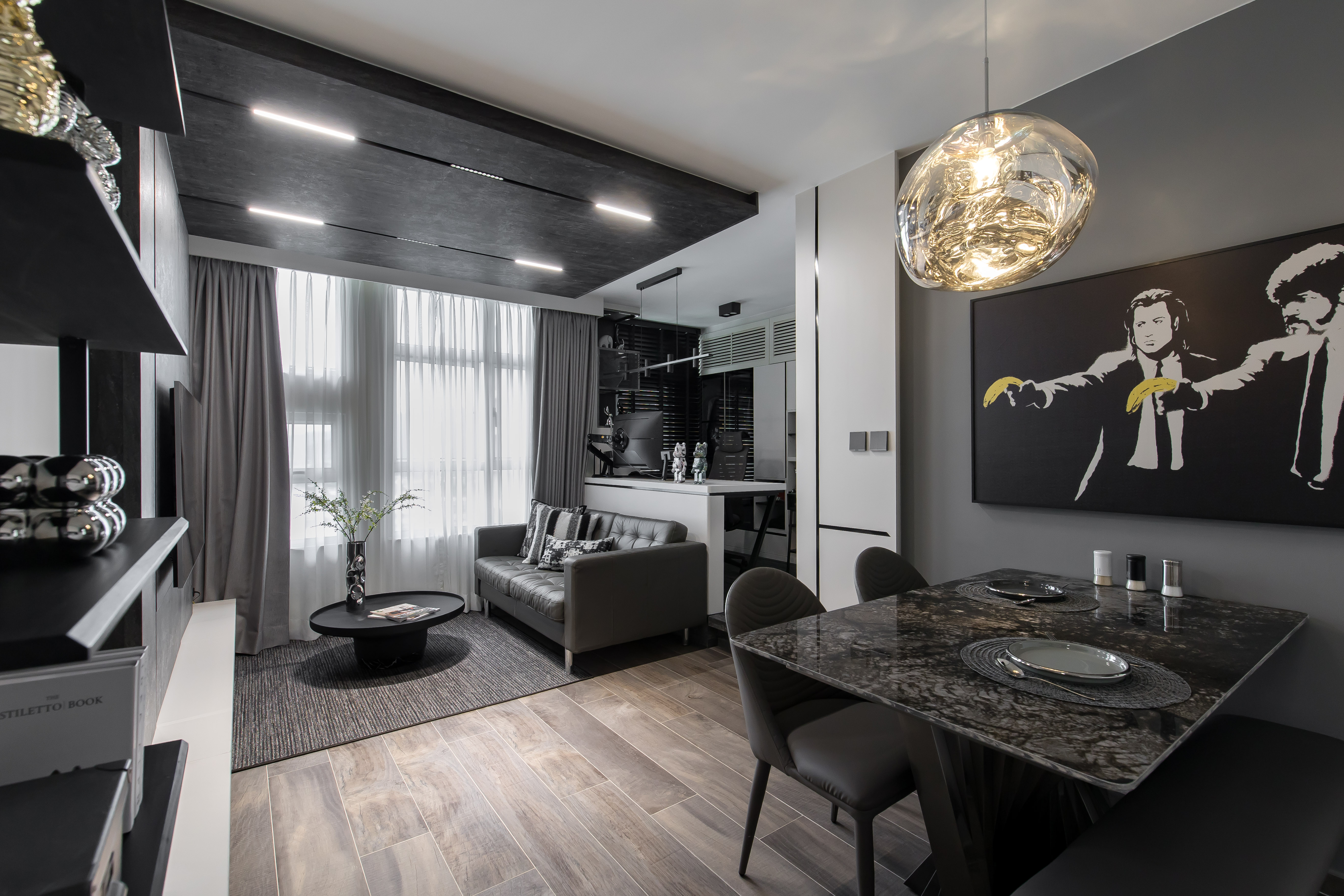
While often translated as "chic," Iki is much cooler than that. It is an aesthetic of urban sophistication that rejects flashiness. It’s the anti-bling. An Iki space doesnt scream for attention with gold leaf or perfect symmetry. Instead, it relies on a deep, internal complexity that looks simple on the outside. It is a structure born of slight asymmetry and a lack of pretense, like a jazz solo or a perfectly draped linen sheet. It holds together beautifully, but you can’t see the seams.
Gemütlichkeit (Gemütlichkeit) – German
If Hygge is the physical feeling of comfort, Gemütlichkeit is the social feeling of belonging.
While they are cousins in the design world, Gemütlichkeit implies a space designed specifically for lingering. A sterile, high-tech office is the opposite of this. A wood-paneled pub with soft booths, or a living room that feels like it has been lived in for generations, possesses Gemütlichkeit. It combines the physical comfort of the furniture with the social warmth of the atmosphere. It is an unhurried architecture – a room that says, "Stay as long as you like; you are welcome here.
Gesamtkunstwerk – German
This is the heavyweight champion of design concepts. Literally translated as a "total work of art," it describes a level of obsession that most of us can only dream of.
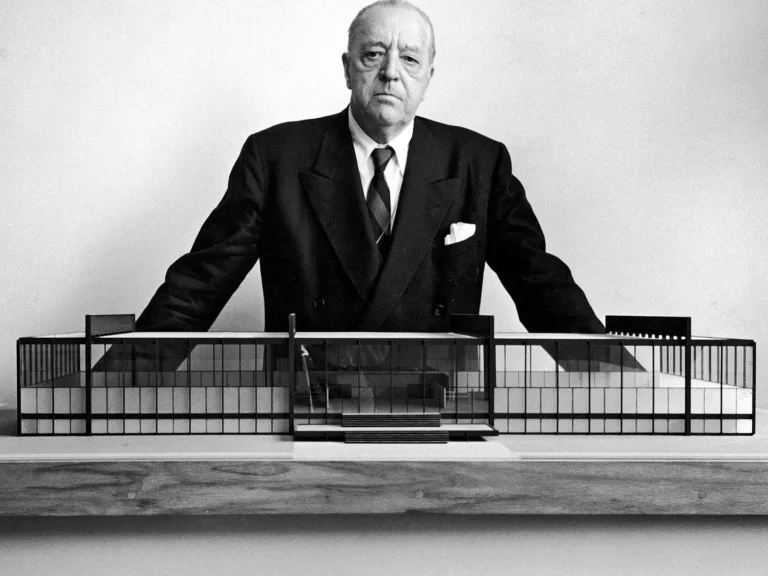
Popularised by architects like Frank Lloyd Wright and Walter Gropius, a Gesamtkunstwerk is a building where nothing is an afterthought. The architect doesnt just draw the walls; they design the door handles, the rugs, the light fixtures, the cutlery, and sometimes even the clothes the residents wear. It is the antithesis of buying a house and filling it with random stuff from a big-box store. In a Gesamtkunstwerk, the house and the objects within it are one single, breathing entity.
Saudade (Saudade) – Portuguese
Most people know Saudade as an emotional term, a deep, melancholic longing for something absent. But apply that to architecture, and you get something heartbreakingly beautiful.
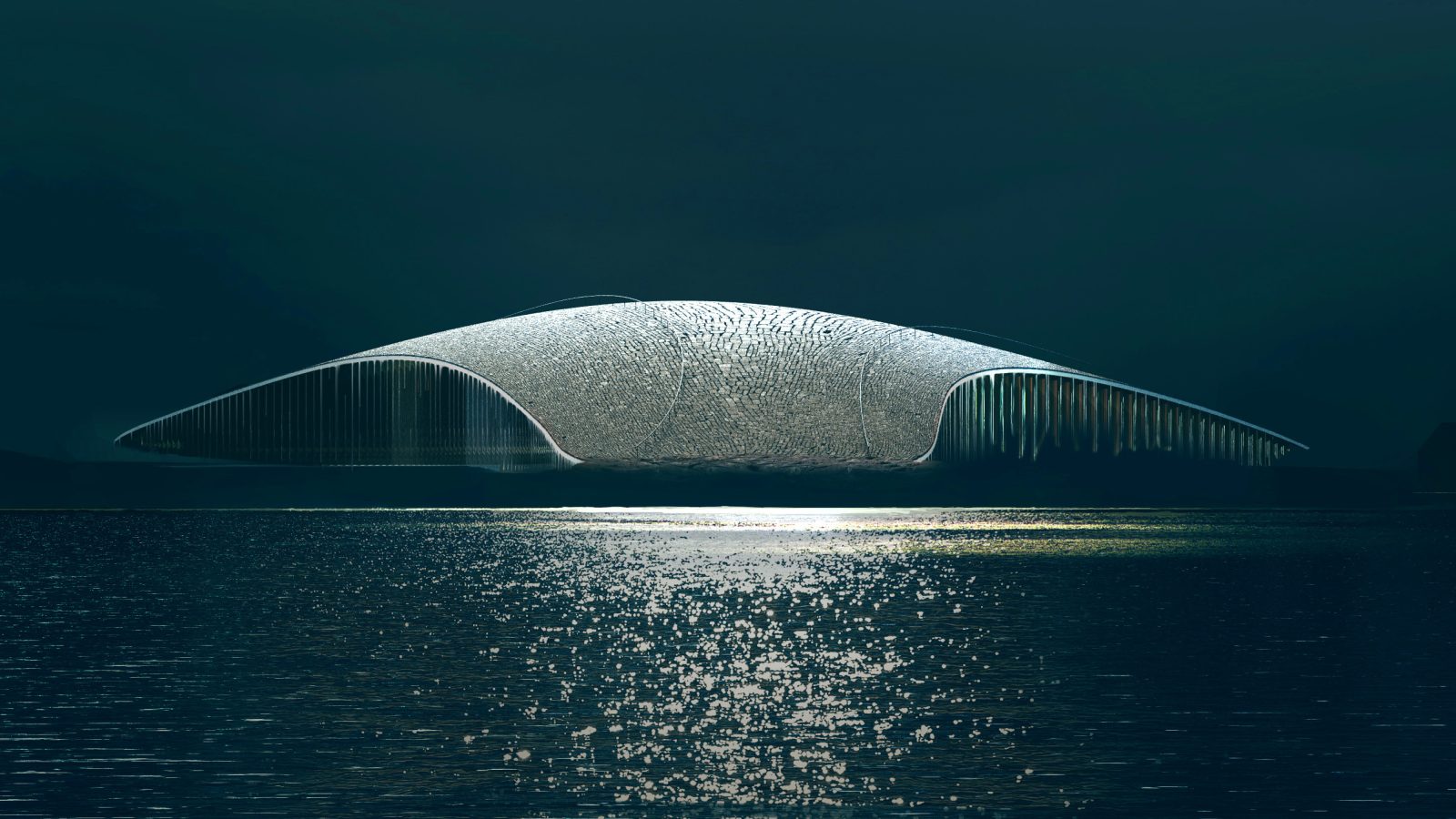
In design, Saudade is the reverence for the past within a modern space. It is the ghost in the machine. It’s the feeling you get when a sleek, modern glass structure is built around a crumbling stone façade, or when traditional Azulejo tiles are preserved in a hyper-modern kitchen. It is a design choice that refuses to erase history. Instead, it creates a physical space for memory, acknowledging what was lost while building something new.
Hygge – Danish
You’ve likely seen this word splashed across lifestyle blogs, usually accompanied by pictures of wool socks. But in design terms, Hygge is a rigorous functional goal.
It is the architectural manifestation of a warm hug. Hygge isnt a style like "Mid-Century Modern"; it is an atmosphere engineered through lighting (warm, low pools of light), texture (sheepskins, raw wood), and spatial arrangement (nooks and intimate seating). It’s the art of creating conviviality. If a room makes you want to curl up with a book and ignore your phone, it has high Hygge.