Design Tips
5 Key Elements of Modern Kitchen Design
The modern kitchen is no longer just a place for cooking; it is the core of family interaction.
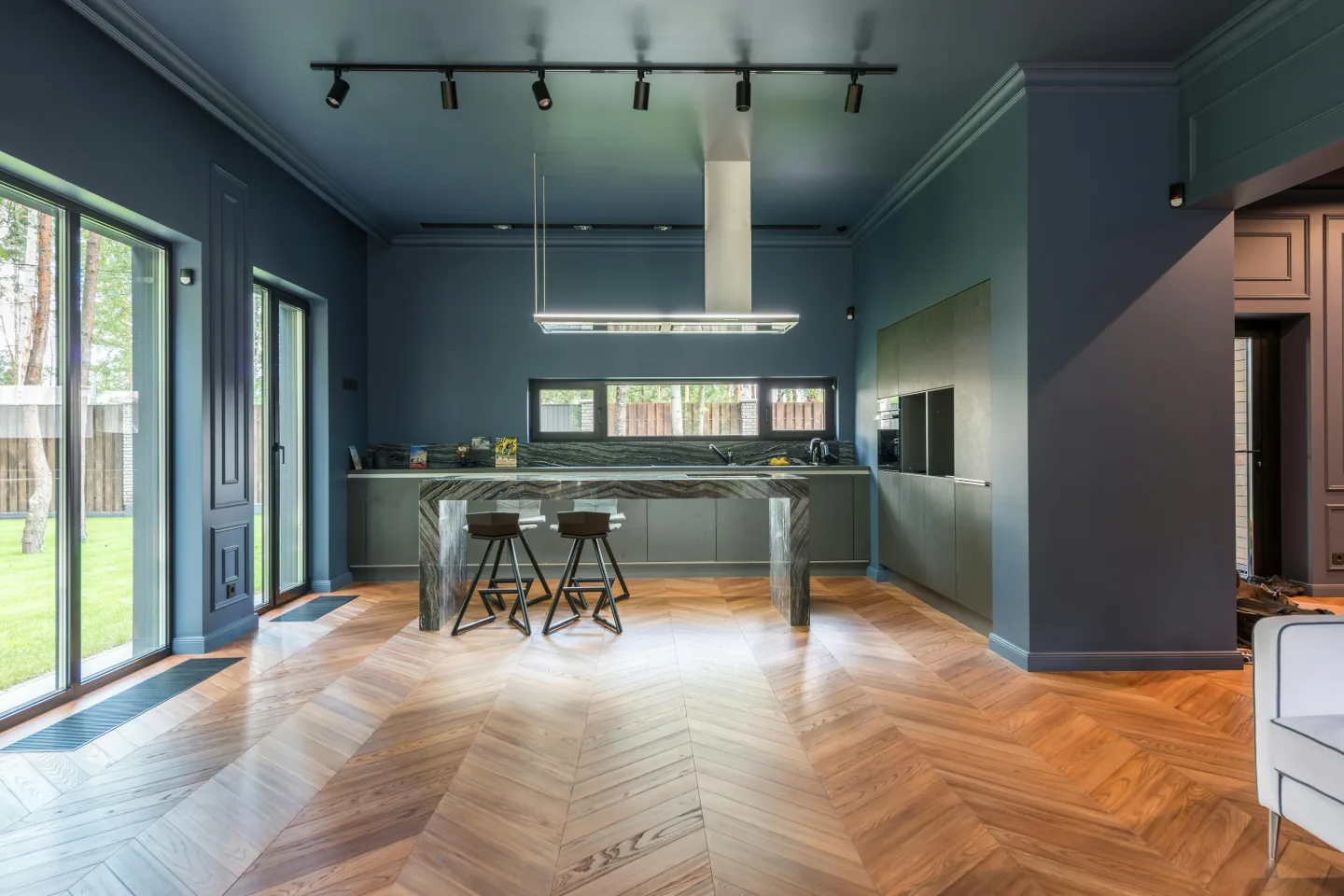
This article introduces five key elements of modern kitchen design—including smooth workflow, smart storage, color and material coordination, professional lighting, and optimal ventilation—to help you build an ideal kitchen that is both beautiful and practical, enhancing usage efficiency and the quality of your home.
1. Plan the "Golden Triangle" Workflow

The kitchen work area consists of the stove, the sink, and the fridge. By designing a "Golden Triangle" workflow, you keep the distance between these three elements moderate (a total length of within about 6 meters). This prevents unnecessary walking caused by excessive distances, thereby improving cooking efficiency. A kitchen island design can serve as the center of this workflow, combining meal prep, dining, and social functions to elevate the overall user experience. Ensure the flow is unobstructed and aisles are wide to avoid a sense of overcrowding.
2. Simplify with Smart Storage

Adopt drawer-style and zoned storage systems to keep utensils and ingredients organized. Utilize floor-to-ceiling wall cabinet designs and rotating corner baskets to maximize space utilization, while integrating built-in appliances into the cabinetry to maintain a tidy look. A reasonable combination of tall cabinets and overhead cabinets allows for the layered storage of daily necessities versus seasonal items, making them easy to access while saving space.
3. Focus on Color and Material Coordination

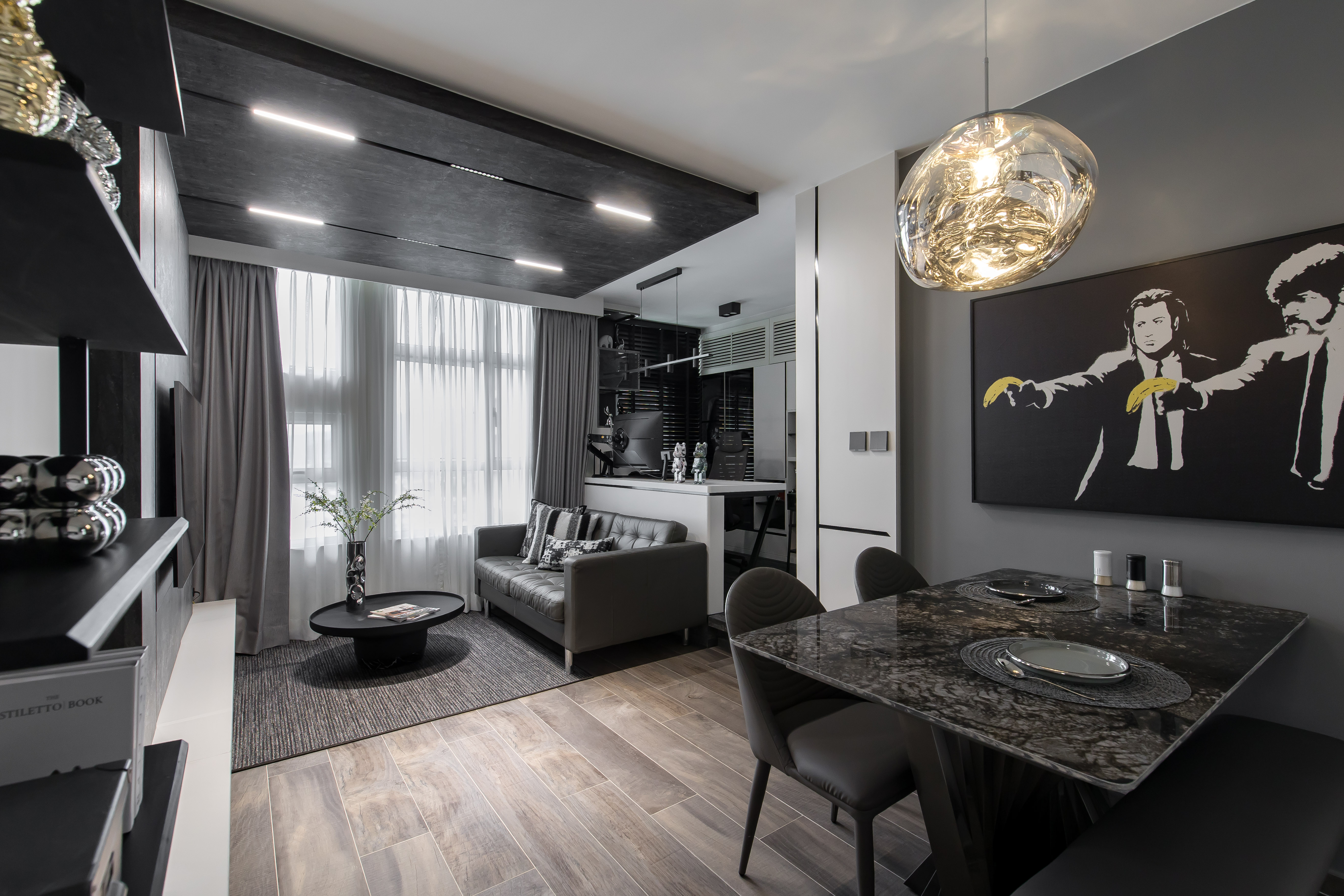
For a modern minimalist atmosphere, the main color palette often utilizes neutral tones such as white, grey, black, or dark blue, combined with metallic luster or glass materials to add a contemporary feel. If a warmer atmosphere is preferred, natural wood elements can be used as accents. Clear horizontal lines paired with frameless cabinet panels create a clean, sleek visual effect.
4. Professional Lighting for a Comfortable Ambience

Integrate multi-layered lighting that combines natural light with artificial illumination. Focus task lighting on worktops and stove areas to ensure a reasonable distribution of light. We recommend 3000K light to avoid color distortion that could affect the appearance of ingredients and your mood while cooking. LED strips inside cabinets improve the convenience of finding items, while the shape of the light fixtures themselves can reflect your design style.
5. Optimize Ventilation and Environmental Comfort
Install a powerful exhaust system and position windows strategically to reduce the accumulation of grease and smoke while maintaining air circulation. Good ventilation not only contributes to health but also keeps the kitchen fresh and tidy, enhancing the overall pleasure of cooking.
 Photos: Pexels